Garage Door Not Opening: Common Causes & Fixes
By Precision Garage Door Services Editorial Team · Updated 2026-08-11

Dead remote batteries, misaligned photo-eye sensors, and broken torsion springs cause the majority of garage door failures. Chamberlain recommends checking the wall switch first, then inspecting sensor alignment (LED indicators should glow steady). Disconnected trolley arms or worn cables require professional repair-attempting DIY torsion spring adjustment risks serious injury.

Blocked photo-eye sensors, dead transmitter batteries, power outages, and broken torsion or extension springs rank among the most common reasons a garage door won’t open. Precision Garage Door Services, trusted by over 140,000 homeowners across Central & South Jersey for 25+ years, recommends checking these simple causes first before scheduling professional diagnosis and repair.

Key Takeaways

  • Garage door openers fail when unplugged or circuit breakers trip; verify power connections first.
  • Dead remote and keypad batteries account for many non-opening garage door complaints.
  • Manual door locks accidentally engaged prevent opening; check locking mechanism before troubleshooting further.
  • 15 common causes exist for garage door malfunctions ranging from simple to complex repairs.

Garage door openers fail when unplugged or circuit breakers trip; verify power connections first.

Dead remote and keypad batteries account for many non-opening garage door complaints.

Manual door locks accidentally engaged prevent opening; check locking mechanism before troubleshooting further.

15 common causes exist for garage door malfunctions ranging from simple to complex repairs.

What Should You Check Before Calling for Repair?

Two quick checks solve a surprising number of stuck-door calls. A garage door not opening often traces back to something simple: the opener losing power. Before assuming the worst, homeowners should walk through a short diagnostic list, or reach out via Emergency Garage Door Repair Central Jersey for immediate assistance.

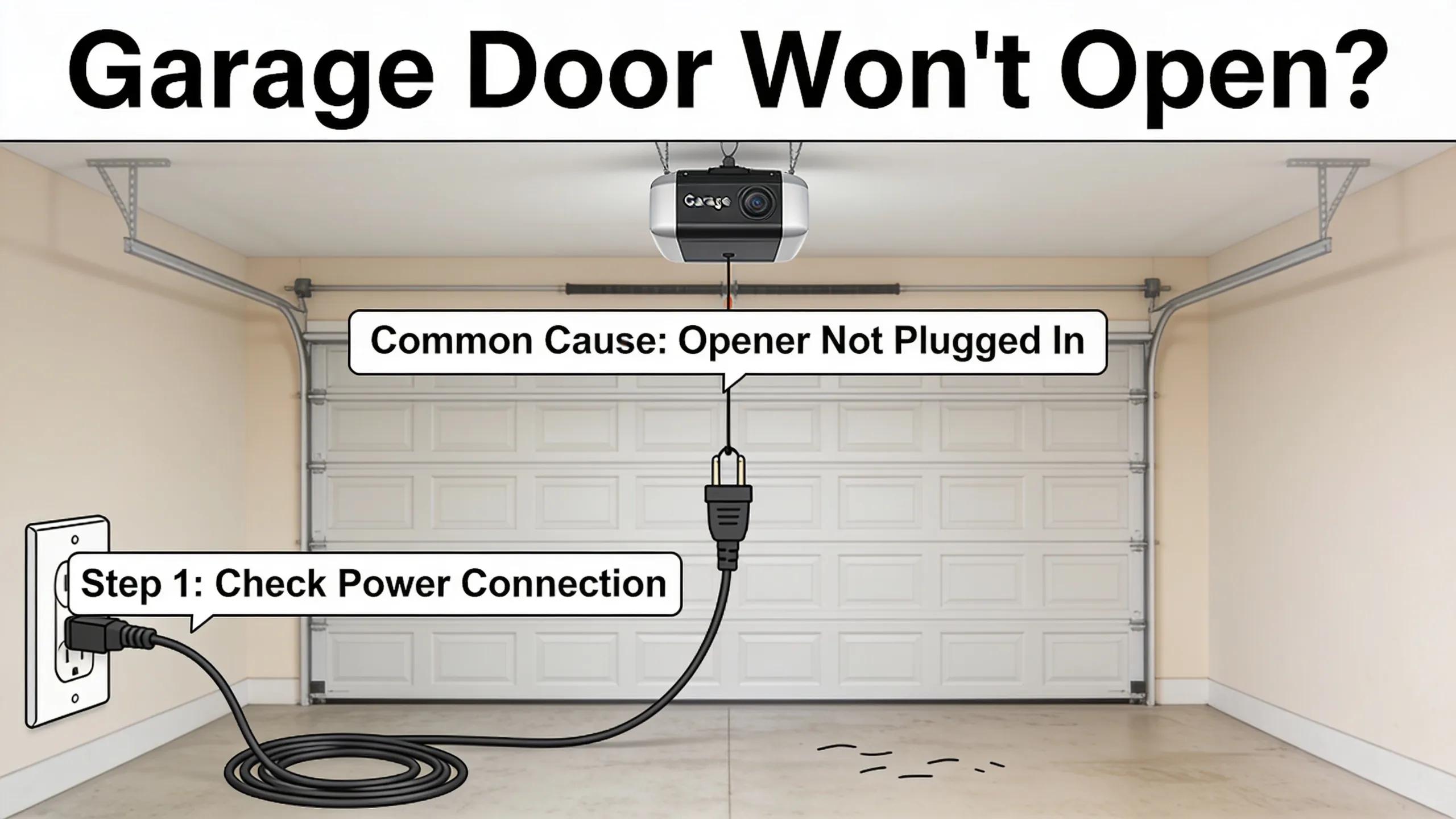
  1. Confirm the opener is plugged into its outlet - cords work loose more often than expected.
  2. Check the garage circuit breaker and reset it if it's tripped.
  3. Look for any visible obstruction blocking the door's path.
  4. Test the wall switch to see if the opener responds at all.

Confirm the opener is plugged into its outlet – cords work loose more often than expected.

Check the garage circuit breaker and reset it if it’s tripped.

Look for any visible obstruction blocking the door’s path.

Test the wall switch to see if the opener responds at all.

Why won't my garage door open even though the opener seems fine?

Power issues are the top offender when a door refuses to budge. An unplugged opener or a tripped breaker mimics a much bigger mechanical failure, which is why checking power first saves time and money.

Once those basics are ruled out, professional evaluation makes sense. Precision Garage Door Services has served Central & South Jersey homeowners for years, with roots as a locally owned and operated company. Every visit comes with a personal guarantee from ownership: a professionally handled experience, start to finish, with no guesswork left for the homeowner.

How Do You Fix Common Mechanical Failures?

Broken springs, snapped cables, and failing openers rank among the top mechanical reasons a garage door not opening stays stuck in place. These failures put real strain on homeowners: a jammed door blocks the car, delays the morning commute, and leaves a home exposed until repairs happen. Mechanical breakdowns rarely fix themselves, and pushing a stuck door often makes the damage worse.

Homeowners facing a mechanical failure should follow a safe, methodical process rather than forcing the door open.

  1. Stop using the opener the moment the door resists or stalls.
  2. Inspect the springs above the door for gaps, stretching, or visible separation.
  3. Check the cables on both sides for fraying or slack.
  4. Look along the tracks for dents, gaps, or debris causing misalignment.
  5. Confirm the safety sensors near the floor sit level and face each other without obstruction.
  6. Call a certified technician once a mechanical cause is suspected — spring and cable repair involves high tension and is not a DIY task.

Stop using the opener the moment the door resists or stalls.

Inspect the springs above the door for gaps, stretching, or visible separation.

Check the cables on both sides for fraying or slack.

Look along the tracks for dents, gaps, or debris causing misalignment.

Confirm the safety sensors near the floor sit level and face each other without obstruction.

Call a certified technician once a mechanical cause is suspected — spring and cable repair involves high tension and is not a DIY task.

Why Won't the Door Open Even When the Motor Runs?
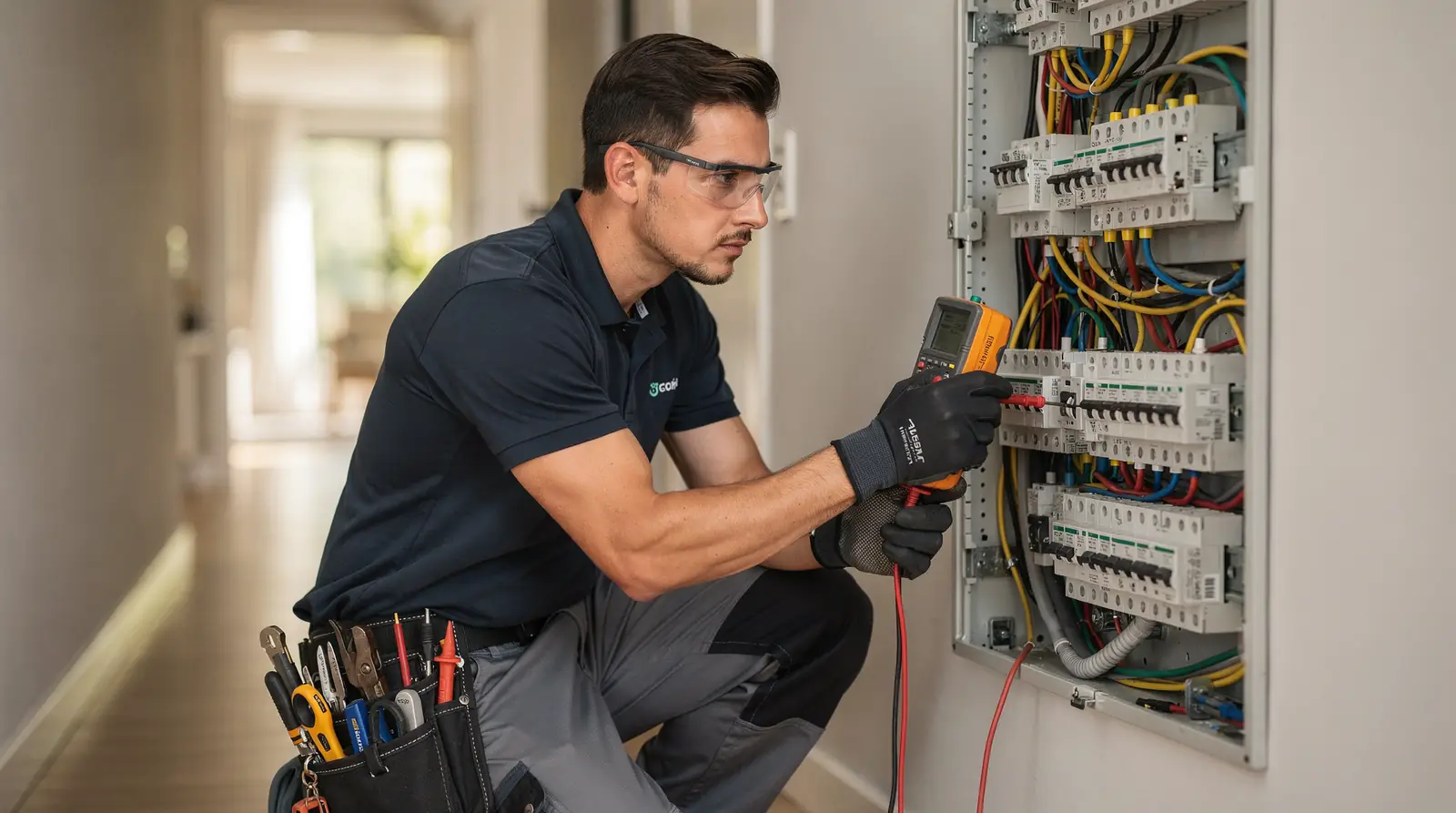
A running motor does not guarantee a working door. Misaligned tracks or blocked safety sensors stop the door even when the opener sounds normal. The system halts operation as a safety measure. Homeowners should check for obstructions near the sensor eyes before assuming the opener itself has failed.

Precision’s fully trained technicians diagnose these mechanical issues and install high-quality parts backed by strong warranties, covering springs, cables, and opener components alike. Personalized, professional service remains the standard for every mechanical repair, giving homeowners the convenience and reliability needed to get a driveway — and a daily routine — back on track.

When Should You Call a Professional Technician?

A professional technician should step in whenever a garage door not opening issue involves broken springs, snapped cables, or an opener that won’t respond to basic troubleshooting. Homeowners risk injury attempting these repairs, since garage door components carry heavy spring tension. Precision offers fast scheduling, Saturday appointments, and evening or Sunday emergency service, so calling for help never means waiting days for a fix.

Is It Safe to Manually Open a Stuck Garage Door?

Pulling the emergency release cord seems like a quick fix, but timing matters. If the door sits in the open position when the cord gets pulled, it can come crashing down without warning. That risk alone justifies calling a trained technician rather than experimenting with manual releases.

How Much Does Emergency Garage Door Repair Cost?

Emergency repair pricing typically varies based on the specific problem; contact us for a detailed estimate. Costs vary by issue:

  • Minor sensor or opener adjustments trend toward the lower end
  • Spring or cable replacement often falls in the mid-range
  • Complex mechanical failures push toward the higher end

Minor sensor or opener adjustments trend toward the lower end

Spring or cable replacement often falls in the mid-range

Complex mechanical failures push toward the higher end

Getting a technician’s assessment upfront, detailed in our Competitive Garage Door Repair Pricing Guide, prevents guesswork and unnecessary spending.

A garage door that refuses to open disrupts your daily routine and raises legitimate safety concerns. By systematically addressing the common causes outlined—from sensor misalignment. Broken springs to opener malfunctions and weather-related issues—you can often restore functionality quickly. However, certain repairs demand professional expertise to ensure your safety and protect your investment. When troubleshooting reaches its limits, our trained technicians stand ready to diagnose and resolve the problem with precision and reliability.

FAQ

What are the most common causes of a garage door not opening?

Blocked photo-eye sensors, dead transmitter batteries, power outages, and broken torsion or extension springs top the list. Checking these simple causes first resolves many issues before professional repair becomes necessary.

What should you check before calling for garage door repair?

Confirm the opener is plugged in, check the circuit breaker, look for obstructions, and test the wall switch. These four quick checks solve a surprising number of stuck-door calls.

Why does the garage door stay stuck even when the motor runs?

Check for obstructions near the sensor eyes first.